Introduction
Dysphagia, a problem identified by trouble swallowing, has considerable effects for patient security and quality of life. This post delves into the complexities of dysphagia treatment and the necessary duty that registered nurses play in handling this critical condition. The Unlocking Know-how: A Comprehensive Dysphagia Training Course for Nurses objectives to equip healthcare professionals with the understanding and abilities required to give optimal take care of patients dealing with dysphagia. With a focus on evidence-based techniques, this training course addresses the intricacies of dysphagia management, making sure that nurses can confidently support their patients.
Understanding Dysphagia: What Is It?
Defining Dysphagia
Dysphagia is not merely a medical term; it stands for a significant challenge encountered by lots of clients throughout various medical care settings. However what does it entail? Essentially, dysphagia refers to troubles in swallowing which can originate from many underlying causes consisting of neurological conditions, structural abnormalities, or even certain medications.
Types of Dysphagia
Oropharyngeal Dysphagia: This kind occurs when there are issues in the mouth or throat location impacting swallowing. Esophageal Dysphagia: Here, issues occur within the esophagus itself, usually because of blockages or mobility disorders.Symptoms and Dangers Related to Dysphagia
Patients may show various signs and symptoms such as coughing throughout dishes, choking feelings, or regurgitation. The dangers connected with untreated dysphagia are severe and consist of lack of nutrition, dehydration, and ambition pneumonia.
The Significance of Dysphagia Training for Carers
Why Carers Required Specialized Training
nurses' guide to dysphagia trainingTraining in dysphagia is not just useful-- it's essential. For carers working along with individuals with this problem, having actually specialized expertise can dramatically enhance client outcomes.
Key Aspects of Efficient Dysphagia Training for Care Staff
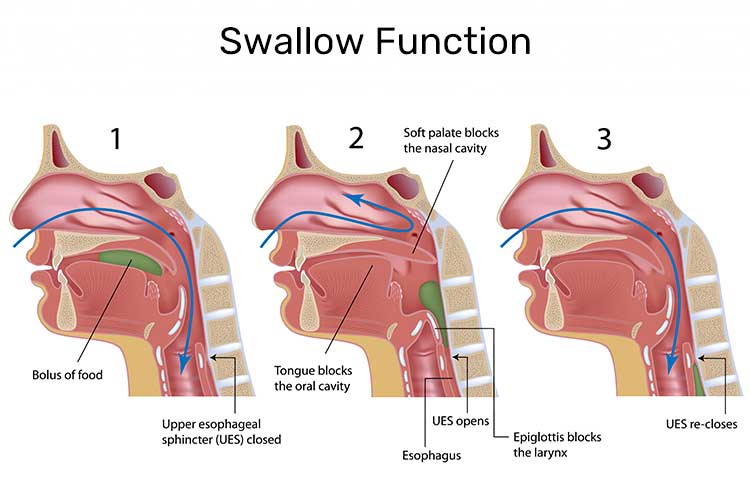
- Understanding makeup and physiology related to swallowing. Learning regarding usual causes and symptoms. Practicing safe feeding techniques. Recognizing signs of aspiration.
Unlocking Expertise: A Comprehensive Dysphagia Training Course for Nurses
Course Objectives
The key goal of this detailed training program is to ensure nurses are well-prepared to identify and handle dysphagic clients successfully.
Course Curriculum Overview
Introduction to Ingesting Mechanisms Patient Evaluation Techniques Nutritional Considerations Safe Feeding Strategies Emergency Action ProtocolsDysphagia Treatment Training: Necessary Skills for Healthcare Professionals
Assessment Methods in Dysphagia Management
Accurate assessments are important in determining dysphagic signs and symptoms beforehand. Educating ensures that registered nurses can carry out extensive assessments using standardized methods.

Implementing Safe Feeding Strategies
Effective feeding approaches can substantially decrease the threat of issues associated with dysphagia. This area will certainly cover strategies like proper positioning and food structure modifications.
Dysphagia Support Resources Available to Nurses
Collaboration with Speech-Language Pathologists (SLPs)
Understanding when to refer people to SLPs is crucial in providing thorough care for those with ingesting difficulties.
Utilizing Community Resources for Ongoing Support
Nurses are urged to familiarize themselves with community resources that use ongoing assistance for both themselves and their people managing dysphagia.
The Role of Innovation in Dysphagia Training Courses
Innovative Understanding Equipment for Enhanced Understanding
The usage of technology such as simulation training aids can enhance finding out experiences significantly.
Online vs In-Person Training Options
Both styles have their benefits; nonetheless, on-line courses might provide more flexibility while in-person sessions give hands-on experience.
Evaluating the Efficiency of Dysphagia Training Courses
Feedback Systems Post-Training
Gathering feedback from participants aids improve program content continuously and makes certain importance in real-world applications.
Long-Term Benefits of Constant Education on Dysphagia Management
Continued specialist growth cultivates self-confidence among nurses when addressing intricate situations involving dysphagic patients.
FAQs Concerning Dysphagia Training Courses
1. What is consisted of in a normal dysphagia training course?
A typical program generally covers assessment methods, secure feeding methods, dietary factors to consider, and emergency feedback methods specifically tailored for nursing staff.
2. The length of time does a normal dysphagia training course take?
Duration varies yet many training courses extend anywhere from one day to numerous weeks depending upon deepness and focus locations covered.
3. Are there any prerequisites needed before enrolling?
Normally speaking, basic nursing credentials are needed; nevertheless, previous experience in geriatric or corrective care can be beneficial.
4. How do I discover credible dysphagia training courses?

5. What qualifications do I receive after completion?
Upon effective completion of a detailed training course, individuals frequently receive a certificate indicating their proficiency in managing individuals with dysphasia effectively.
6. Can I use what I've discovered immediately after finishing the course?
Definitely! Many participants locate they can execute new methods immediately during their everyday technique which boosts client care right away adhering to completion.
Conclusion
In conclusion, the landscape bordering dysphasia management is evolving quickly as more healthcare specialists identify its value within individual treatment structures. The Unlocking Expertise: A Comprehensive Dysphagia Training Course for Nurses stands apart as an essential source targeted at promoting quality amongst nursing team handling this complex concern. By gearing up registered nurses with sophisticated expertise and sensible abilities through specialized training programs concentrated on reliable assessment methods and risk-free feeding techniques-- doctor can substantially boost end results for people coping with dyslexia-related challenges.